Machinery cost per acre runs from $2.43 for a boom sprayer to $404.08 for a push mower in the table below, with every figure worked as an example figure at the page example rate of $150 per hour. The gap comes from acres per hour, because the same rate is used for every preset in the comparison.
Use the table as a comparison, not as a price list. Every figure in it is an example figure at the page example rate, worked from the calculator preset for that machine for a 160 acre field with $0 travel. Change the hourly rate and every figure changes, while the order stays exactly the same.
Machinery Cost Per Acre for All 12 Presets
| Machine type | Width | Speed | Efficiency | Acres per hour | Cost per acre |
|---|---|---|---|---|---|
| Boom sprayer | 60 ft | 10 mph | 85 percent | 61.82 | $2.43 |
| Row planter | 30 ft | 5.5 mph | 75 percent | 15.00 | $10.00 |
| Field cultivator | 24 ft | 6 mph | 85 percent | 14.84 | $10.11 |
| Combine | 30 ft header | 4.5 mph | 75 percent | 12.27 | $12.22 |
| Grain drill | 15 ft | 5.5 mph | 75 percent | 7.50 | $20.00 |
| Disc harrow | 14 ft | 5 mph | 80 percent | 6.79 | $22.10 |
| Hay mower / disc mower | 9 ft | 7 mph | 80 percent | 6.11 | $24.55 |
| Zero turn mower | 60 in (5 ft) | 7 mph | 85 percent | 3.61 | $41.60 |
| Bush hog / rotary cutter | 6 ft | 4.5 mph | 75 percent | 2.45 | $61.11 |
| Riding mower | 48 in (4 ft) | 5 mph | 80 percent | 1.94 | $77.34 |
| Tractor rotary tiller | 6 ft | 2.5 mph | 75 percent | 1.36 | $110.00 |
| Push mower | 21 in (1.75 ft) | 2.5 mph | 70 percent | 0.37 | $404.08 |
All cost per acre figures in this table are example figures at the page example rate of $150 per hour, worked from the calculator presets for a 160 acre field with $0 travel. They are not market prices. The table is sorted from the lowest example cost per acre to the highest.
How Machinery Cost Per Acre Is Worked Out
Machinery cost per acre equals hourly cost divided by acres per hour. Acres per hour equals width in feet times speed in miles per hour times efficiency divided by 8.25. The figure 8.25 equals 43560 divided by 5280.
Width and speed move acres per hour most. A 60 ft boom at 10 mph covers far more ground in an hour than a 6 ft tiller at 2.5 mph. At the page example rate, $150 per hour divided by 61.82 acres per hour gives $2.43 per acre for the boom sprayer, while the same $150 divided by 0.37 acres per hour gives $404.08 per acre for the push mower. Acres per hour alone moves the cost from the lowest in the table to the highest.
That is why hourly cost alone misleads. A slow narrow machine can cost less per hour yet cost far more per acre, because each hour buys so few acres. Enter your own rate in the Cost Per Acre Calculator and the same logic applies at your own figure.
Why the Ranking Looks the Way It Does
Width is the first driver of the ranking. The boom sprayer leads with a 60 ft boom, the row planter and the combine follow with 30 ft widths, and the field cultivator follows at 24 ft. At the other end are the mowers, with the push mower at 21 in, the riding mower at 48 in and the zero turn mower at 60 in. Narrow width alone keeps a machine near the high cost end, even before speed is counted.
Speed is the second driver. The boom sprayer pairs the widest boom with the fastest speed, 10 mph, so its 61.82 acres per hour sits far above every other preset. The hay mower pairs a modest 9 ft width with 7 mph, which lifts it above the bush hog preset at 4.5 mph. Efficiency is the third driver. The presets run from 70 percent for the push mower to 85 percent for the boom sprayer, the zero turn mower and the field cultivator, so a change in efficiency moves acres per hour by a smaller amount than a change in width or speed.
The Low Cost End: Sprayer, Planter, Cultivator and Combine
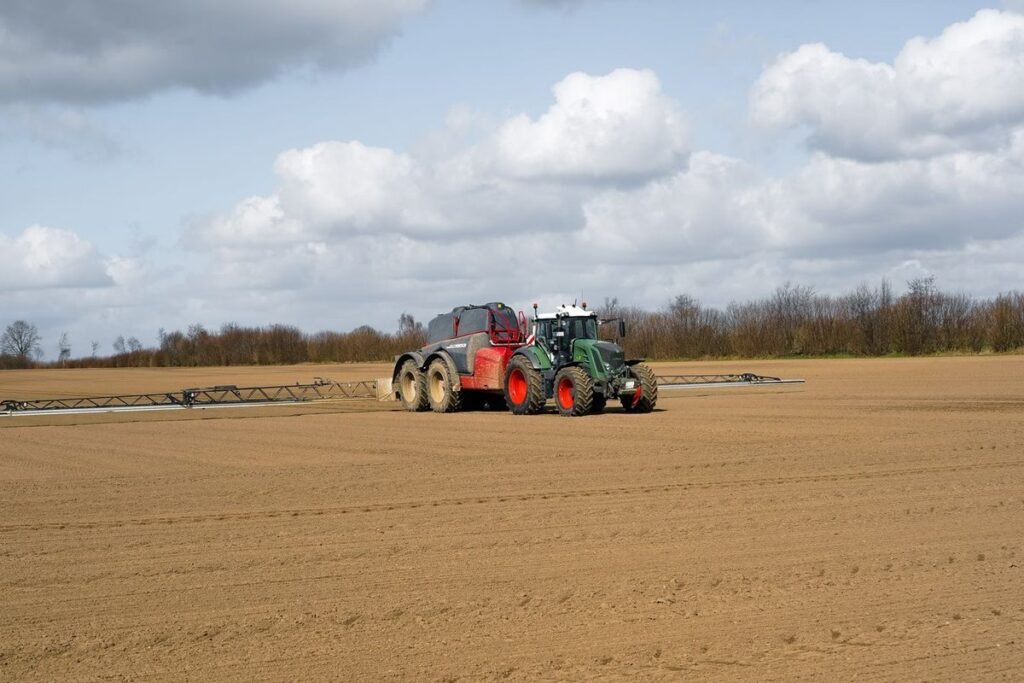
The boom sprayer is the cheapest preset by a wide margin, at $2.43 per acre as an example figure at the page example rate. It covers 61.82 acres per hour with a 60 ft boom at 10 mph and 85 percent. The next cheapest preset, the row planter, costs $10.00 per acre as an example figure at the page example rate, so the sprayer costs about a quarter as much per acre. That gap is the acres per hour gap, not the hourly rate, because the example rate is the same $150 per hour for every preset.
The row planter and the field cultivator sit almost side by side, at $10.00 and $10.11 per acre as example figures at the page example rate. The row planter covers 15.00 acres per hour with a 30 ft width at 5.5 mph and 75 percent, while the field cultivator covers 14.84 acres per hour with a 24 ft width at 6 mph and 85 percent. The combine header costs $12.22 per acre as an example figure at the page example rate. It covers 12.27 acres per hour with a 30 ft header at 4.5 mph and 75 percent. For acres per hour by machine, see the acres per hour chart by equipment.
The Middle of the Table: Drill, Harrow and Hay Mower
The grain drill, the disc harrow and the hay mower form the middle of the table, from $20.00 to $24.55 per acre as example figures at the page example rate. The grain drill covers 7.50 acres per hour with a 15 ft width at 5.5 mph and 75 percent, which gives $20.00 per acre as an example figure at the page example rate. The disc harrow covers 6.79 acres per hour with a 14 ft width at 5 mph and 80 percent, which gives $22.10 per acre as an example figure at the page example rate. The hay mower covers 6.11 acres per hour with a 9 ft width at 7 mph and 80 percent, which gives $24.55 per acre as an example figure at the page example rate.
The hay mower is the narrowest of the three, yet its 7 mph speed keeps it close to the drill and the harrow. The cultivator costs $10.11 per acre as an example figure at the page example rate, while the harrow costs $22.10 per acre, so the harrow costs more than twice as much per acre. For the rate behind each figure, see the single machine guides on how many acres a field cultivator can cover per hour and how many acres a disc harrow can cover per hour.
The High Cost End: Mowers at the Page Example Rate
The three mower presets produce the most striking figures in the table, and they need to be read as example figures at the page example rate, not as market prices. The push mower costs $404.08 per acre, the riding mower costs $77.34 per acre, and the zero turn mower costs $41.60 per acre, all at the page example rate of $150 per hour for a 160 acre field.
The push mower covers 0.37 acres per hour with a 21 in width at 2.5 mph and 70 percent. At that rate, a 160 acre field takes about 431 hours. No reader should take that as a price for mowing 160 acres with a push mower. It is what the formula gives when a tractor sized example rate is applied to a walk behind mower preset on a 160 acre field, and it is kept here in full, without softening.
The riding mower covers 1.94 acres per hour with a 48 in width at 5 mph and 80 percent, which gives $77.34 per acre as an example figure at the page example rate. The zero turn mower covers 3.61 acres per hour with a 60 in width at 7 mph and 85 percent, which gives $41.60 per acre. The zero turn mower costs little more than half as much per acre as the riding mower, because it is wider, faster and more efficient. These mowers are built for lawns and small areas, not for 160 acre fields, and the table shows that mismatch in dollars per acre.
Bush Hog and Rotary Tiller: Slow Work at the Same Rate
The bush hog preset and the tractor rotary tiller preset sit near the high cost end of the table because of narrow width and slow speed. The bush hog preset is 6 ft wide at 4.5 mph and 75 percent, which gives 2.45 acres per hour and $61.11 per acre as an example figure at the page example rate. The tractor rotary tiller preset is also 6 ft wide at 75 percent, but runs at 2.5 mph, which gives 1.36 acres per hour and $110.00 per acre as an example figure at the page example rate.
The two presets share a width and an efficiency, so the speed gap alone explains the cost gap. The bush hog preset runs almost twice as fast as the tiller preset, covers almost twice as many acres per hour, and therefore costs a little over half as much per acre at the same example rate. This row uses this calculator own preset, not the Bush Hogging Cost Calculator worked example.
How to Use This Table With Your Own Rate
The table is most useful when you replace the $150 example rate with your own hourly cost. Add up the costs that the calculator page lists for the hourly input: fuel and lubricants, repairs and maintenance for tractor and implement, ownership costs such as depreciation, interest, insurance and housing, labour for the operator, and overheads such as trucks, tools and admin. Enter your own figures for each part.
Then run the same division the table uses. Take your hourly cost, divide it by the acres per hour for your machine from the table, and the result is your cost per acre. A higher hourly cost raises every figure, and a lower one lowers every figure, while the ranking stays the same. The table uses a 160 acre field with $0 travel. Travel and setup cost is an optional input on the calculator, default $0, added to the job cost, so enter your own figure when the job needs one.
Frequently Asked Questions
Q: What is machinery cost per acre?
A: Machinery cost per acre is hourly machine and operator cost divided by acres covered per hour. Here every figure is an example figure at the page example rate.
Q: Which machine has the lowest machinery cost per acre in the table?
A: The boom sprayer has the lowest figure, at $2.43 per acre as an example figure at the page example rate.
Q: Which machine has the highest machinery cost per acre in the table?
A: The push mower has the highest figure, at $404.08 per acre as an example figure at the page example rate.
Q: Why does the push mower cost so much per acre at the page example rate?
A: Because the same $150 per hour example rate is divided by only 0.37 acres per hour. It is an example figure at the page example rate, not a market price.
Q: Does a wider machine always give a lower machinery cost per acre?
A: No, width helps only with speed and efficiency. The row planter and the field cultivator reach nearly the same cost per acre by different routes.
Q: How do I work out machinery cost per acre for my own machine and rate?
A: Enter your own hourly cost, width, speed and efficiency in the Cost Per Acre Calculator, with your own field size and travel cost.
Use the Table, Then Run Your Own Numbers
Machinery cost per acre is a comparison tool, and this table makes the comparison at one shared example rate. The boom sprayer leads because it is widest and fastest. Take the acres per hour figure for your machine from the table, enter your own hourly cost in the Cost Per Acre Calculator, and work out the figure that fits your field and your rate.